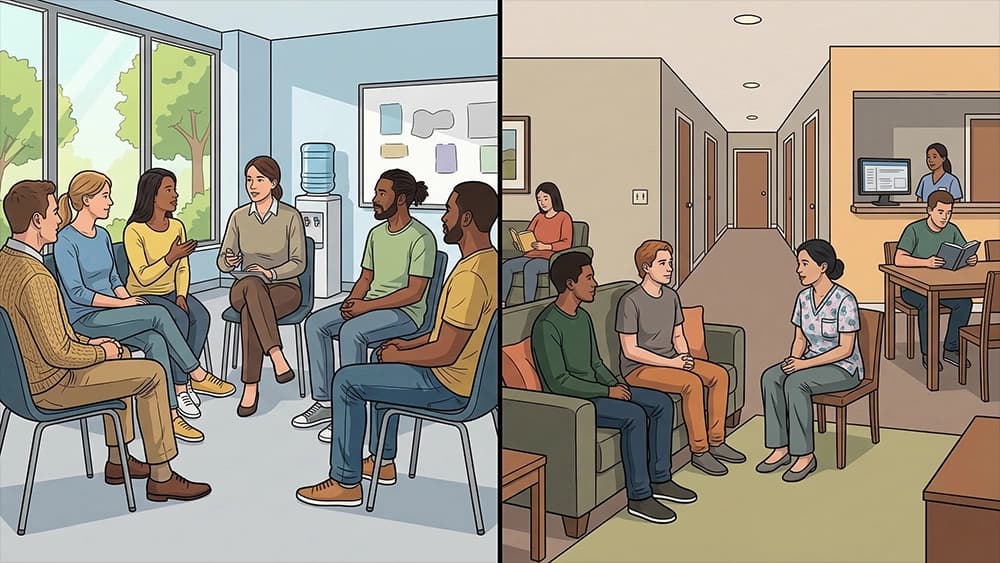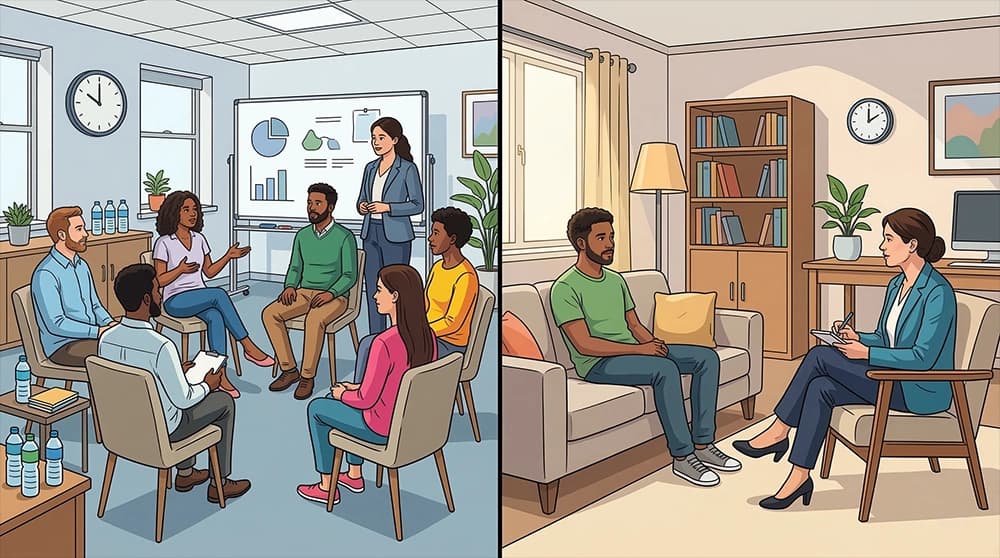

Sober living residents achieve 68% abstinence rates at 6 months vs 20% for those returning home immediately. Average stays range 166-254 days. Monthly rent averages $500-$900. NARR establishes four levels from peer-run to clinically supervised environments.
- 168% abstinence rate at 6 months for sober living vs 20% returning home directly
- 2Average sober living stays range from 166 to 254 days
- 3Monthly rent typically ranges $500-$900; most insurance doesn't cover costs
- 4NARR establishes 4 levels from peer-run to clinically supervised
- 5Most individuals need at least 3 months in treatment to reduce drug use (NIDA)
Recovery doesn't end when treatment finishes. Many people need continued support to maintain their sobriety and build independent living skills.
We at Amity San Diego understand that the question "what is a sober living home?" comes up frequently for those planning their recovery journey. These structured environments bridge the gap between intensive treatment and complete independence.
A sober living home functions as a residential facility that provides alcohol and drug-free environments for individuals in recovery. These homes require residents to pay rent and maintain complete sobriety as conditions of residency. Research from the Journal of Psychoactive Drugs demonstrates that residents experience significant improvements in employment, reduced arrests, and better psychiatric symptoms over 18-month periods. The National Association of Recovery Residences establishes four distinct levels of sober living, which range from fully peer-run environments to clinical supervision models.
Sober living homes operate independently from medical treatment facilities and focus on peer support rather than clinical intervention. While rehab centers provide intensive medical detox and therapy with licensed professionals, sober living environments emphasize community accountability and gradual reintegration. Residents typically stay an average of 166 to 254 days according to research studies.
Research indicates that most addicted individuals need at least 3 months in treatment to significantly reduce or stop their drug use. Most insurance plans do not cover sober living costs because these facilities do not provide medical treatment, which makes residents responsible for monthly rent that ranges from $500 to $900.
The structured levels range from peer-operated houses to clinically supervised environments. Level 1 homes operate entirely through peer management, while Level 4 facilities provide clinical supervision with certified staff. Level 2 and 3 homes offer monitored support with different degrees of professional oversight. For those seeking comprehensive addiction treatment San Diego, these structured environments provide essential support during recovery.
Sober living homes establish non-negotiable daily routines that residents must follow to maintain their housing. Residents attend mandatory 12-step meetings, complete assigned house chores, and adhere to established curfews (typically between 10 PM and midnight). Random drug testing occurs weekly or bi-weekly to maintain accountability standards. Research from the Substance Abuse and Mental Health Services Administration shows that residents who participate in structured programs achieve 68% abstinence rates at six months. Employment or educational participation becomes mandatory after the first 30 days, with most facilities that require residents to work at least 20 hours per week or attend school full-time.
Residents live alongside others in similar recovery stages, which creates natural accountability partnerships that extend beyond formal house meetings. Longer-term residents mentor newcomers through daily challenges and recovery milestones. House meetings occur weekly where residents address conflicts, celebrate achievements, and maintain community standards through peer feedback. Studies found that residents with strong peer support networks maintained sobriety rates 40% higher than those without structured peer relationships. The residents' council system allows individuals to participate in house management decisions, which creates ownership and investment in their recovery environment.
Residents who transition directly from inpatient programs to sober living maintain abstinence rates of 68% at six months compared to 20% for those who return home immediately. The Options Recovery Services study found that individuals with prior homelessness or unstable housing showed the most dramatic improvements when placed in structured sober living environments after treatment completion.
Individuals whose family members or roommates continue to use substances face impossible recovery conditions at home. Substance use disorders negatively affect emotional and behavioral patterns from the inception of the family, resulting in poor outcomes for children and adults with SUDs. People who live with active addiction, domestic violence, or family members who undermine recovery efforts cannot maintain sobriety in these toxic environments.
Frequently Asked Questions
What is a sober living home?
A sober living home is a substance-free residential facility requiring sobriety, rent payment, and rule compliance. Residents attend mandatory 12-step meetings, complete chores, follow curfews, and undergo random drug testing while building independent living skills.
How is sober living different from rehab?
Rehab provides intensive medical detox and therapy with licensed professionals. Sober living focuses on peer support and gradual reintegration without clinical intervention. It bridges the gap between treatment completion and full independence.
Who should consider sober living?
Those transitioning from inpatient programs, people with unstable home environments, or individuals whose family members continue using substances. Those with prior homelessness show the most dramatic improvements in structured sober living.
How do I find sober living in San Diego?
Look for NARR-certified facilities with clear policies on testing, curfews, and employment requirements. Contact Amity San Diego at (888) 666-4405 for guidance on transitional living options that support sustained recovery.
Sources & References
This article is based on peer-reviewed research and authoritative medical sources.
- Recovery Housing — SAMHSA (2024)
- Treatment and Recovery — NIDA (2024)
Amity San Diego
Amity San Diego Medical Team