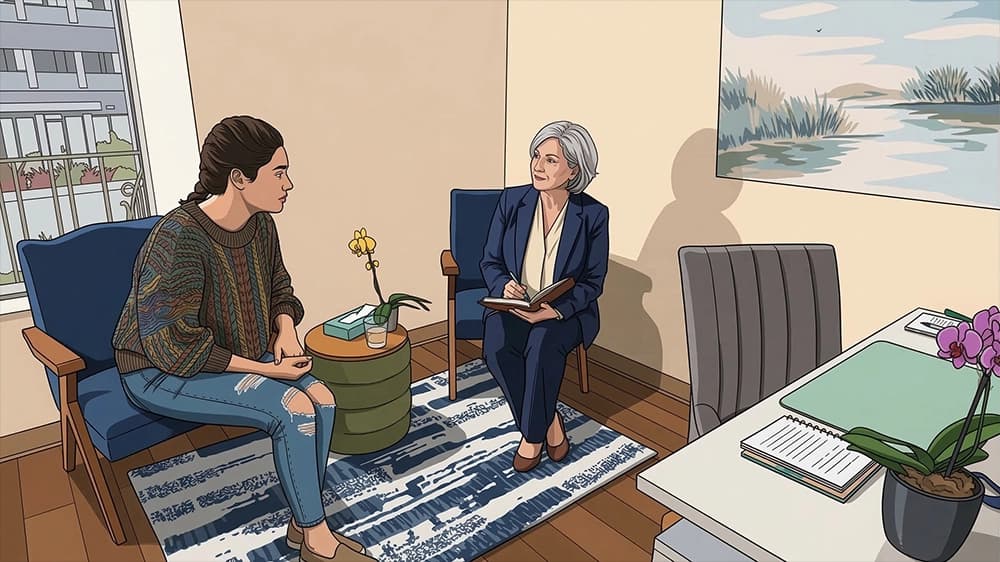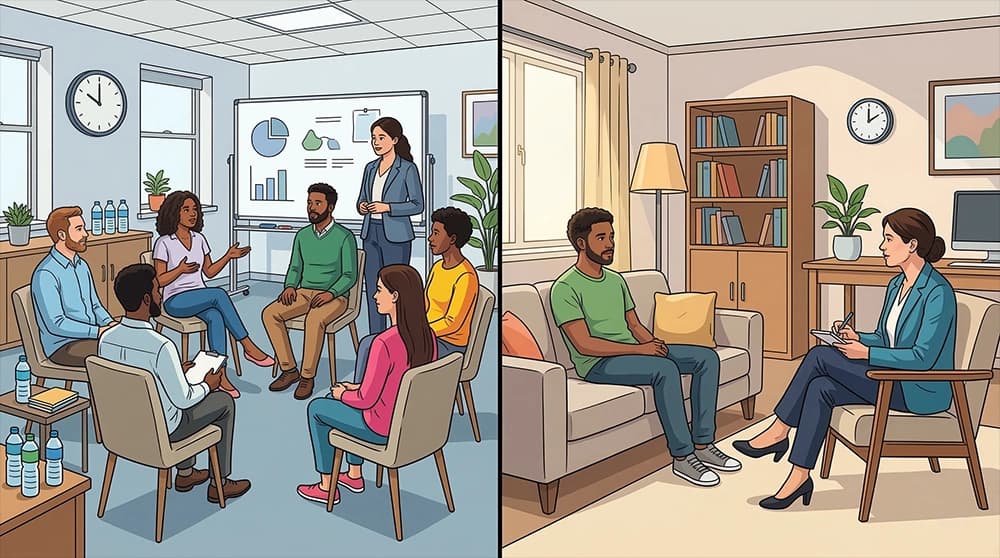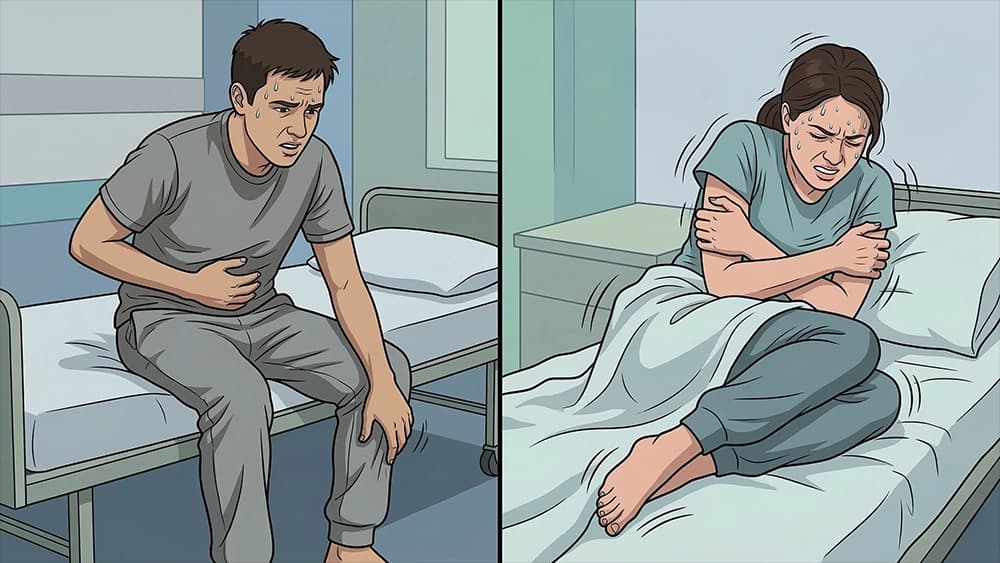
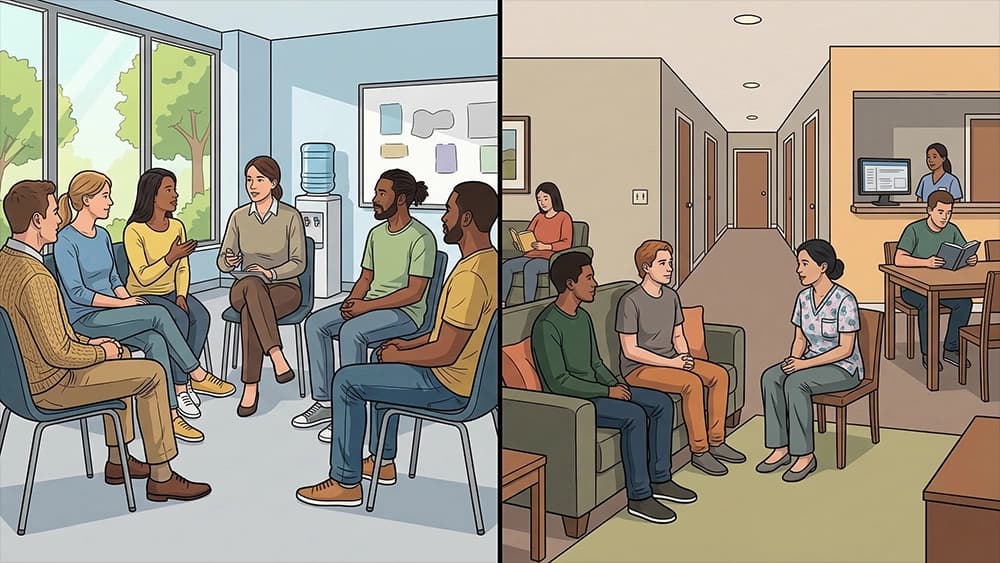
PHP and residential treatment differ in supervision intensity and daily structure. PHP offers 6-8 hour programs with evening freedom, while residential provides 24/7 support. Choose based on stability, responsibilities, and clinical needs.
- 1PHP vs residential treatment represents a critical decision point post-detox, each serving distinct recovery needs and lifestyles
- 2Residential treatment provides 24/7 medical supervision and structured environment; PHP balances intensive care with daily independence
- 3Success depends on personal stability, work/family obligations, and clinical assessment rather than one approach being universally superior
- 4Many people benefit from stepping down from residential care into PHP as a transition toward long-term outpatient support
- 5The right level of care aligns with your detox outcome, support system strength, and readiness for semi-independent recovery
Understanding PHP vs Residential Treatment for Addiction
For people exploring treatment options in San Diego, choosing between PHP and residential treatment is a critical decision post-detox. Both are evidence-based levels of care that differ significantly in structure, supervision, and daily impact. This guide clarifies the distinctions and helps you determine which path aligns with your clinical needs and circumstances.
What Is PHP (Partial Hospitalization Program)?
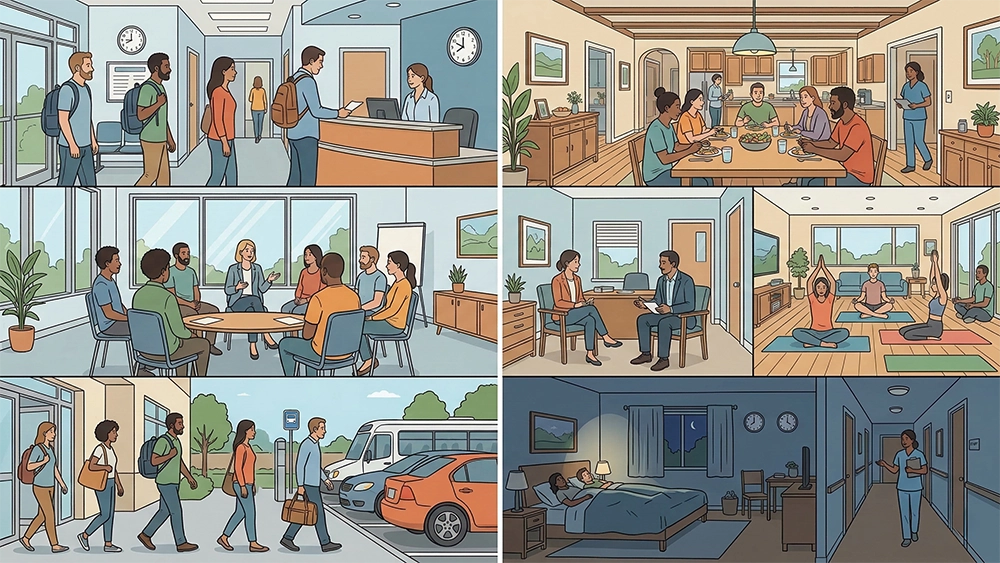
A Partial Hospitalization Program is an intensive outpatient level of care that runs during business or extended hours—typically 6-8 hours per day, 5-7 days per week. Participants attend structured programming at a treatment facility, then return home in the evenings.
PHP combines the clinical rigor of hospital-based care with the flexibility of outpatient settings. During program hours, you receive individual therapy, group counseling, medical care, psychiatric services (if needed), and skills training. The focus is on building relapse prevention tools, processing trauma, addressing co-occurring mental health conditions, and reconnecting to your values and goals.
Because you return home each evening, PHP assumes you have:
- A safe, substance-free home environment
- Adequate family or social support
- The ability to manage transportation
- No acute medical instability requiring 24/7 monitoring
For many people, our PHP program serves as the next step after residential care or as the primary intensive level for those not requiring overnight supervision.
What Is Residential Treatment?
Residential (inpatient) treatment provides 24/7 supervised care in a structured facility setting. Clients live on-site, typically for 28 to 90 days, with access to medical staff, therapists, and support around the clock.
Residential programs offer:
- Continuous medical monitoring for complex withdrawal or co-occurring medical conditions
- 24/7 crisis support and intervention
- Structured daily schedule with meals, therapy, recreation, and downtime
- Reduced access to triggers and substances through controlled environment
- Intensive peer support and therapeutic community
- Assessment and stabilization of psychiatric conditions
- Medication management overseen by physicians
Residential treatment is appropriate when:
- Your home environment is unsafe or actively enabling substance use
- You have severe co-occurring psychiatric or medical conditions
- You've struggled with motivation or relapse in outpatient settings
- You need rapid stabilization after acute withdrawal
- You lack adequate family or social support systems
Residential care provides a protective structure that allows deep therapeutic work in a contained, supervised setting.
Key Differences: PHP vs Residential Treatment
| Aspect | PHP | Residential Treatment |
|---|---|---|
| Hours/Schedule | 6-8 hrs/day, 5-7 days/week; evenings and nights at home | 24/7 on-site care; structured daily schedule |
| Medical Supervision | Daily assessment; nursing available during program hours | Continuous monitoring; physicians on-call or on-site |
| Housing | Must have stable, substance-free home | Facility-provided; controlled environment |
| Family Contact | Encouraged; evening and weekend flexibility | Limited initially; increases per treatment plan |
| Cost | Generally lower than residential | Higher due to room, board, and continuous staffing |
| Duration | Typically 4-12 weeks | Typically 28-90 days (4-13 weeks) |
| Suitable For | Stable home, work/family obligations, moderate-to-high complexity | Unsafe home, acute medical needs, high relapse risk |
| Next Level | Transition to standard outpatient or IOP | Often step-down to PHP or IOP |
| Therapeutic Community | 6-8 hours of peer interaction daily | 24/7 peer support and community |
When PHP Is the Right Choice
You may be ready for PHP if:
You have completed detoxification with medical stability. PHP is post-detox care; acute withdrawal requires medical oversight that residential or detox programs provide.
Your home is safe and supportive. You'll have evening freedom with family exposure and triggers, so your environment and support system must be strong.
You maintain work or family obligations. PHP's daytime-only format allows you to meet employment or caregiving commitments while receiving intensive treatment.
Your clinical presentation is moderate complexity. You have documented substance use disorder and possibly co-occurring mental health concerns, but not acute enough to require 24/7 medical oversight.
Many people transition into our PHP program after residential care as a bridge back to daily life while maintaining intensive support.
When Residential Treatment Is the Right Choice
Residential treatment is appropriate if:
Your home is unsafe or enabling. Active substance use, family conflict, or lack of secure housing makes a controlled residential environment essential for removing triggers and creating healing space.
You have complex medical or psychiatric needs. Alcohol or benzodiazepine detox, severe co-occurring mental illness, or significant medical comorbidities require 24/7 medical supervision.
Outpatient attempts have not prevented relapse. If PHP or outpatient therapy failed previously, residential care's intensive structure and peer community may provide the foundation you need.
You're at high risk for self-harm or relapse. Continuous supervision significantly reduces risk during vulnerable phases. Residential treatment also suits medically complex detox or revealed psychiatric instability.
The Step-Down Model: From Residential to PHP
Many treatment pathways use a "step-down" approach: clients complete residential care (28-90 days), then transition into PHP (4-12 weeks), then move to standard outpatient therapy or our IOP (Intensive Outpatient Program). This graduated reduction in supervision mirrors your increasing stability and readiness for independence.
A typical step-down flow:
- Medical detox or residential stabilization (7-30 days) – acute medical monitoring
- Residential treatment (28-90 days) – intensive therapy in protected environment
- PHP (4-12 weeks) – structured daytime care with evening independence
- Standard outpatient or IOP (ongoing) – 1-3 sessions per week for relapse prevention and ongoing recovery support
This model helps prevent relapse by maintaining treatment continuity while gradually reintegrating you into daily responsibilities and community life. Your clinical team will assess readiness between each transition.
Comparing PHP and Outpatient Care
Our outpatient programs typically involve 1-3 sessions per week for stable recovery. PHP sits in the middle: more intensive than standard outpatient but more flexible than residential—ideal if you're early in recovery and need more structure than weekly sessions.
Cost and Practical Considerations
PHP typically costs less than residential care and may be more accessible if you're working. Residential treatment is more expensive but includes housing, meals, and continuous care. Both levels are covered by many insurance plans, though pre-authorization is often required.
Making the Decision
Your clinical team will assess your home safety, work/family obligations, detox experience, past recovery attempts, support system, and any co-occurring conditions to determine the right level of care.
Conclusion: Choosing Your Path Forward
PHP and residential treatment are both evidence-based paths designed for different needs. PHP suits those with stable homes and daytime obligations; residential treatment provides the protected environment for unsafe homes or acute clinical needs. The goal is matching the right level of care to your clinical needs and real-world circumstances. If you want to discuss which might fit your situation, reach out to Amity San Diego for a professional assessment.
Ready to explore treatment options? Call Amity San Diego at (888) 666-4405 to speak with a specialist about PHP, residential care, and the right level of support for your recovery.
Medical disclaimer: This article is for informational purposes only and does not constitute medical advice. Always consult with a healthcare provider for personalized recommendations.
Frequently Asked Questions
What is PHP in addiction treatment?
Partial Hospitalization Programs (PHP) are daytime treatment programs that typically run 6-8 hours per day, 5-7 days per week. Participants attend structured therapy, medical care, and skill-building sessions during the day, then return home in the evenings. PHP bridges the intensity gap between residential care and standard outpatient therapy, making it ideal for people who need substantial support but have stable home environments or work commitments.
How does residential treatment differ from PHP?
Residential treatment (also called inpatient care) provides 24/7 supervision, medical monitoring, and structured living within a treatment facility. Clients reside on-site for 28-90 days on average, receiving round-the-clock support. Residential is appropriate for people with unstable home situations, complex medical needs, or high relapse risk, whereas PHP allows greater independence while still providing intensive therapy.
Is PHP or residential treatment better for addiction recovery?
Neither is universally 'better'—it depends on individual circumstances. Residential treatment suits those with unsafe home environments, severe co-occurring disorders, or high relapse vulnerability. PHP works well for people with stable housing, family/work obligations, and moderate clinical complexity. Your treatment team's assessment of your needs, detox response, and life stability should guide this decision.
Can someone transition from residential to PHP?
Yes, and it's common. Many treatment programs design step-down protocols where people complete residential care and then move into PHP for continued intensive outpatient support before transitioning to standard outpatient therapy. This gradual reduction in supervision helps maintain progress while rebuilding daily independence and connection to home/work life.
How do I know which level of care I need? Should I call Amity San Diego?
Your clinical history, current support system, and detox outcome determine the right fit. If you're unsure whether PHP or residential is appropriate, a professional assessment is essential. Amity San Diego's team can evaluate your situation and recommend the best level of care for your recovery. Call us at (888) 666-4405 to discuss your options with a treatment specialist.
Sources & References
This article is based on peer-reviewed research and authoritative medical sources.
- Levels of Care for Substance Use Disorders — Substance Abuse and Mental Health Services Administration (SAMHSA) (2024)
- Treatment Settings, Modalities, and Counseling — National Institute on Drug Abuse (NIDA) (2023)
- Outpatient Treatment for Substance Use Disorders — SAMHSA Office of Medication-Assisted Treatment (2024)
Amity San Diego
Amity San Diego Medical Team