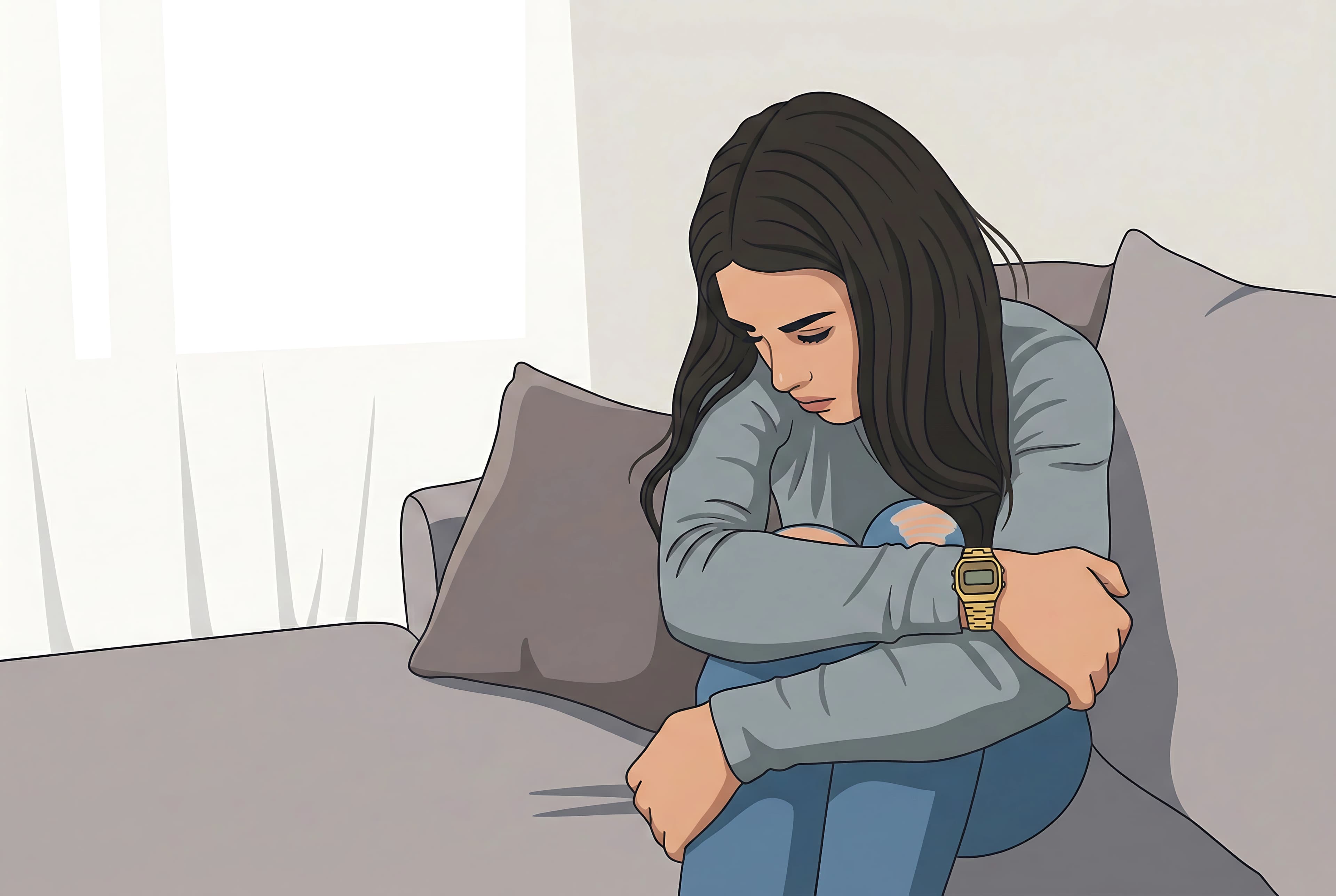

Opioid detox medications such as buprenorphine and methadone reduce withdrawal severity and cravings, helping people stabilize safely under medical supervision before transitioning to ongoing treatment.
- 1Buprenorphine and methadone are FDA-approved medications that reduce opioid withdrawal severity and cravings during detox.
- 2Clonidine and supportive medications manage autonomic symptoms like sweating, anxiety, and elevated heart rate.
- 3Medication selection depends on withdrawal severity, fentanyl exposure, medical history, and the treatment setting.
- 4Supervised medication management allows real-time dosing adjustments that are not safely replicated at home.
- 5Opioid detox medications address acute withdrawal but are most effective when followed by ongoing treatment.
Opioid withdrawal is physically demanding and often arrives faster than people expect. In San Diego, families frequently ask what medications are available during detox and whether they actually make a difference. The answer is that opioid detox medications are some of the most well-studied tools in addiction medicine, and when used under proper supervision, they reduce withdrawal severity, lower cravings, and create a safer bridge to ongoing treatment.
Understanding how these medications work helps remove some of the uncertainty that can delay the decision to seek care. Knowing what to expect from the medication process makes it easier for families to evaluate their options and move forward. SAMHSA identifies medication-assisted approaches as a core component of effective opioid use disorder treatment, supporting both stabilization during withdrawal and long-term recovery outcomes. SAMHSA
Why medication is used during opioid withdrawal
Opioids bind to receptors in the brain that regulate pain, mood, and autonomic function. With repeated use, the brain adapts by reducing its own production of natural endorphins and increasing sensitivity to pain and stress. When opioids are suddenly removed, the nervous system rebounds into a state of overactivity that produces symptoms including muscle aches, nausea, diarrhea, sweating, anxiety, insomnia, and intense cravings.
The StatPearls review on opioid withdrawal notes that symptoms typically begin within 8 to 24 hours after the last use of short-acting opioids and can peak within 36 to 72 hours. NCBI Bookshelf Without medication support, the intensity of these symptoms often drives people back to opioid use simply to stop the discomfort. Medications for opioid withdrawal interrupt that cycle by partially activating or stabilizing the same receptors, giving the body time to recalibrate without the dangerous rebound.
How buprenorphine works in detox
Buprenorphine is a partial opioid agonist, meaning it activates opioid receptors enough to reduce withdrawal symptoms and cravings without producing the full euphoric effect of heroin or fentanyl. It is one of the most widely prescribed medications in opioid detox and has a well-established safety profile.
Buprenorphine is often combined with naloxone in formulations such as Suboxone. The naloxone component discourages misuse by triggering withdrawal symptoms if the medication is injected rather than taken sublingually as prescribed.
Timing and induction
One critical aspect of buprenorphine use is timing. It must be started after the person is already in mild to moderate withdrawal. Starting too early, while opioids are still active in the system, can trigger precipitated withdrawal, a rapid and intense onset of symptoms that is medically distressing. Clinicians use standardized assessment tools to determine the right moment to begin induction.
In a supervised detox setting, the clinical team monitors symptoms closely and adjusts the initial dose based on the person's response. Once stabilized, buprenorphine can be maintained at a therapeutic dose during detox and then either tapered or continued as part of longer-term treatment depending on the clinical plan.
Advantages in a clinical setting
Buprenorphine has a ceiling effect, meaning that beyond a certain dose, increasing the amount does not increase its opioid effects. This ceiling reduces the risk of respiratory depression compared to full agonists and makes it a relatively safe medication when used as directed. In programs that treat opioid use disorder, buprenorphine is often the first-line choice for managing withdrawal.
How methadone works in detox
Methadone is a full opioid agonist that provides steady, long-lasting relief from withdrawal symptoms and cravings. Unlike buprenorphine, methadone does not have a ceiling effect, which means dosing must be monitored more carefully to avoid over-sedation or respiratory depression.
Methadone has been used in opioid treatment for decades and remains an effective option, particularly for patients with higher tolerance levels or those who do not respond adequately to buprenorphine. In a detox setting, methadone is typically dosed, stabilized, and then gradually tapered over days to weeks. The taper speed depends on how the patient tolerates the dose reductions and whether symptoms re-emerge during the process.
Methadone must be administered through certified treatment programs with close medical oversight. This structured approach ensures that dosing is safe and that the transition away from the medication is managed carefully.
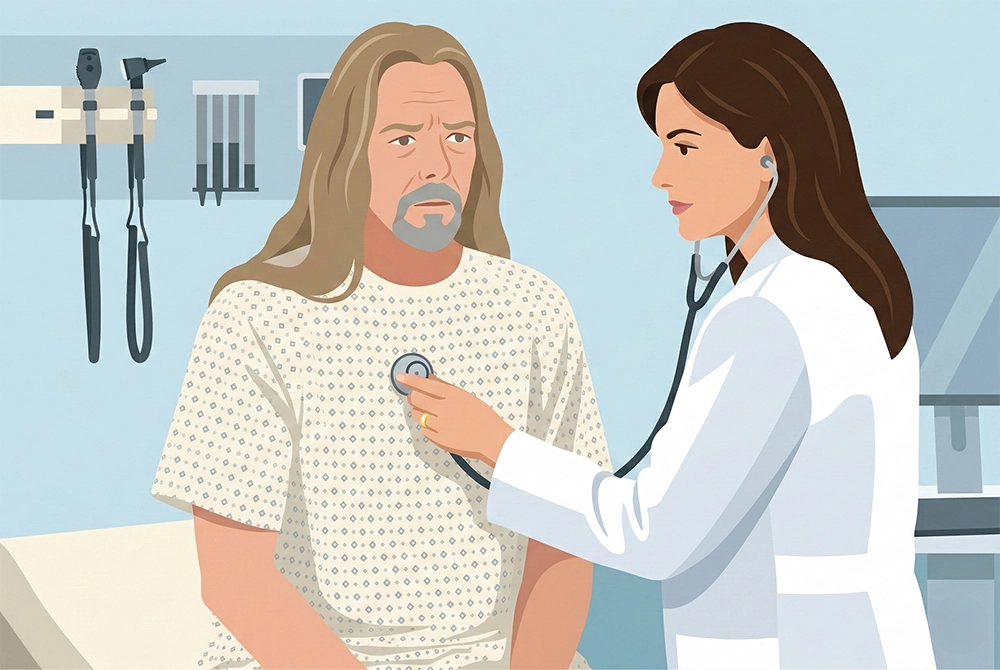
What supportive medications are used during opioid detox
Beyond buprenorphine and methadone, clinicians often prescribe additional medications to address specific withdrawal symptoms:
- Clonidine helps manage sweating, anxiety, elevated heart rate, and restlessness by dampening autonomic nervous system overactivity
- Anti-nausea medications such as ondansetron reduce gastrointestinal distress
- Antidiarrheal agents such as loperamide prevent dehydration from persistent diarrhea
- NSAIDs or muscle relaxants address the body aches and cramping common in the first several days
- Sleep aids may be used cautiously to manage insomnia that often persists after other symptoms improve
The combination of primary and supportive medications is adjusted daily. What helps on day one may need modification by day three as the withdrawal pattern evolves. This is one of the key reasons supervised care is safer than attempting to manage withdrawal medications independently.
How fentanyl exposure changes the medication approach
Many people seeking opioid detox in San Diego have been exposed to fentanyl, whether intentionally or through contamination in the drug supply. Fentanyl is significantly more potent than heroin, and its presence changes the medication plan in several ways.
Fentanyl's potency means withdrawal symptoms may be more intense, and the risk of precipitated withdrawal when starting buprenorphine may be elevated because fentanyl can remain in tissues longer than heroin. Clinical teams may use modified induction protocols that start with lower buprenorphine doses and increase gradually to reduce this risk.
For patients with known or suspected fentanyl exposure, a supervised detox setting is especially important. Dosing decisions need to be made in real time based on symptom changes rather than following a fixed schedule designed for shorter-acting opioids.
Why supervised medication management matters
Opioid detox medications are most effective when administered under direct medical observation. In a supervised setting, clinicians can:
- Monitor symptom severity using validated assessment tools throughout the day
- Adjust medication doses based on real-time patient response
- Identify complications early, including dehydration, severe anxiety, or medication side effects
- Coordinate the transition to ongoing care once the acute phase stabilizes
- Begin conversations about whether to continue medication-assisted treatment long term
For patients with co-occurring mental health conditions, the detox period also provides an opportunity to assess psychiatric needs and coordinate medication management across both conditions. Anxiety, depression, and trauma symptoms often intensify during withdrawal and can be addressed proactively when clinical staff are monitoring daily.
What comes after the medication taper
As withdrawal symptoms improve, medication doses are gradually reduced rather than stopped abruptly. The taper schedule depends on individual response. Once the acute phase resolves, the focus shifts to treatment planning, therapy engagement, and decisions about whether to continue medications as part of a longer-term recovery plan.
Detox medications manage the acute withdrawal, but they do not resolve the underlying substance use disorder. Transitioning into structured treatment that includes therapy, relapse-prevention skills, and clinical follow-up is what supports lasting change. Many people in San Diego step into a partial hospitalization or outpatient program after detox to reinforce early gains while the brain continues to stabilize. A strong discharge plan typically includes medication follow-up appointments, a clear treatment recommendation, and practical support for transportation, housing, and family communication to keep the person engaged.
Getting started with opioid detox in San Diego
If someone you care about is struggling with opioid dependence, the safest first step is a clinical assessment to determine which medications and level of supervision are appropriate. Call Amity San Diego at (888) 666-4405 to speak with an admissions counselor, or start by verifying your insurance to understand coverage before scheduling an evaluation.
This content is for informational purposes only and does not constitute medical advice. Please consult a qualified healthcare professional for personalized guidance.
Frequently Asked Questions
What are the main medications used in opioid detox?
The primary opioid detox medications are buprenorphine and methadone, both FDA-approved for managing opioid withdrawal. Buprenorphine is a partial agonist that reduces cravings and withdrawal without full opioid effects. Methadone is a full agonist used in supervised settings for more severe withdrawal presentations.
How does buprenorphine work during opioid withdrawal?
Buprenorphine activates opioid receptors enough to reduce cravings and withdrawal symptoms without producing the full effect of opioids like heroin or fentanyl. It is typically started after early withdrawal symptoms appear and can be tapered during detox or continued as part of longer-term medication-assisted treatment.
What is the difference between buprenorphine and methadone in detox?
Buprenorphine is a partial agonist with a ceiling effect, meaning it has a lower risk of respiratory depression. Methadone is a full agonist that provides stronger relief for severe withdrawal but requires more intensive monitoring. The choice depends on severity, tolerance, and clinical setting.
Are there other medications used alongside buprenorphine or methadone?
Yes. Clonidine helps manage sweating, anxiety, and rapid heart rate. Doctors may also prescribe anti-nausea medications, antidiarrheals, muscle relaxants, and sleep aids to address specific withdrawal symptoms. These supportive medications improve comfort during the acute phase.
Where can I get medication-supported opioid detox in San Diego?
Call Amity San Diego at (888) 666-4405 to speak with an admissions counselor about medically supervised opioid detox. The team can discuss medication options, help verify insurance, and coordinate an assessment to determine the safest approach for your situation.
Sources & References
This article is based on peer-reviewed research and authoritative medical sources.
- Opioid Withdrawal — StatPearls / NCBI Bookshelf (2025)
- Medications for Substance Use Disorders — SAMHSA (2023)
Amity San Diego
Amity San Diego Medical Team