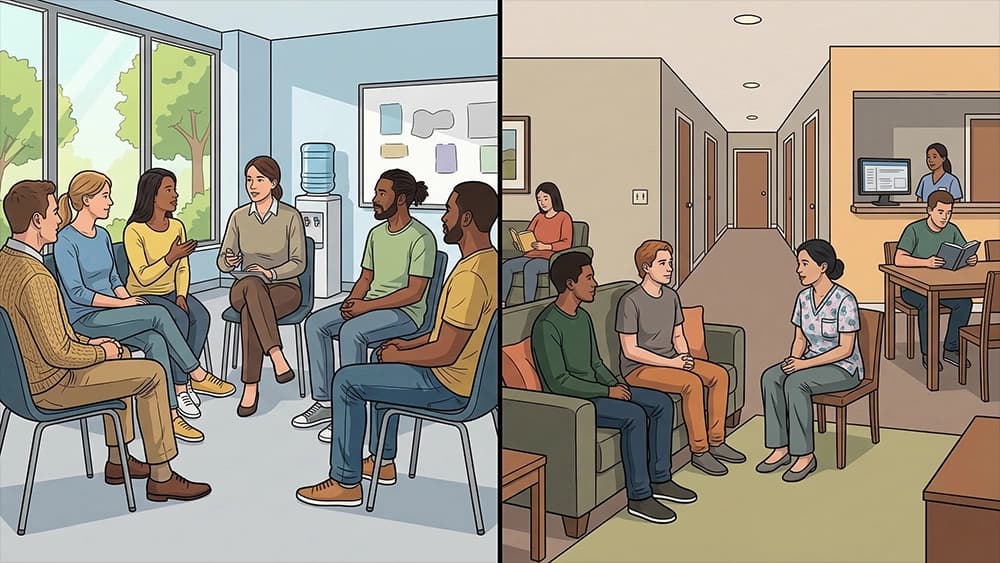

Family involvement in recovery significantly improves treatment outcomes (SAMHSA). Effective worksheets target emotional literacy, routine-building, and communication frameworks. Parents should dedicate 15-30 minutes daily; consistent schedules show stronger family bonds within 6 months.
- 1Family involvement significantly improves addiction treatment outcomes (SAMHSA)
- 2Parents who maintain consistent schedules report stronger family bonds within 6 months
- 3Effective worksheets focus on emotional literacy, routine-building, and communication
- 4Daily practice of 15-30 minutes produces better results than sporadic use
- 5Age-appropriate materials are critical: ages 3-6, 7-12, and teens need different approaches
Recovery from addiction while raising children presents unique challenges that require specialized support tools. Parenting in recovery from addiction worksheets offer structured guidance for parents navigating this complex journey.
We at Amity San Diego understand that these worksheets provide practical frameworks for rebuilding family relationships and establishing healthy routines. They help parents develop essential skills while maintaining their recovery progress.
Parenting recovery worksheets are structured assessment and activity tools that target parents who work through addiction recovery while they raise children. These evidence-based resources combine cognitive-behavioral therapy techniques with practical parenting strategies. They help parents identify triggers, develop coping mechanisms, and rebuild family relationships. The Substance Abuse and Mental Health Services Administration reports that family involvement in recovery improves treatment outcomes significantly.
The worksheets typically include sections for emotional regulation exercises, communication skill-building activities, and goal-setting frameworks that address both personal recovery needs and parenting responsibilities.
The most effective worksheets focus on three essential areas that directly impact family stability. First, they target emotional literacy through exercises that help parents recognize and manage their feelings while they teach children age-appropriate coping strategies. Research shows that parents who actively participate in their recovery process improve their parenting efficacy measurably. Second, these tools emphasize routine-building activities that create predictability for children (studies indicate this reduces behavioral problems in families affected by addiction). Third, they incorporate communication frameworks that promote honest dialogue about addiction while they maintain appropriate boundaries. Many programs now integrate technology-assisted approaches to support family recovery efforts.
Parents achieve the best results when they approach these worksheets with consistent daily practice rather than sporadic use. The most successful families dedicate 15-20 minutes each day to worksheet activities, often during quiet evening hours when children can participate age-appropriately. Parents should select worksheets that match their current recovery stage and family dynamics. Early recovery often requires simpler exercises focused on basic emotional recognition, while later stages can handle more complex family communication activities that address deeper relationship patterns and long-term goals.
Success with parenting recovery worksheets depends entirely on establishing non-negotiable daily routines that integrate seamlessly into family life. The most effective approach involves parents who set aside 20-30 minutes during consistent time slots when children naturally accept structured activities. Morning routines work best for families with school-age children, while evening sessions suit parents with toddlers who nap during the day. Research shows that parents who maintain consistent schedules experience better work-family balance and report stronger family bonds within six months.
Worksheet effectiveness drops dramatically when activities don't match children's cognitive abilities. Parents with children ages 3-6 should focus on simple emotion identification exercises that use visual aids like feeling faces and basic coloring activities that teach coping skills. Children ages 7-12 respond well to structured journal prompts and role-play scenarios that address family communication patterns. Teenagers require more sophisticated worksheets that tackle complex topics like trust rebuilding and future planning (parents often make the mistake of using age-inappropriate materials, which creates frustration and resistance). The Parent SMART intervention study demonstrates the effectiveness of multi-component approaches for families dealing with substance misuse challenges.
Progress tracking requires specific, observable behaviors rather than vague emotional improvements. Parents should document concrete changes like reduced conflict frequency, improved homework completion rates, or increased voluntary family participation. Weekly family meetings provide structured opportunities to review worksheet outcomes and celebrate specific achievements.
The most successful families use simple tracking sheets that record daily mood ratings, communication quality scores, and goal completion rates. Research indicates that consistent progress tracking supports sustained behavioral regulation and long-term motivation in family intervention programs.
Frequently Asked Questions
What are parenting recovery worksheets?
Structured assessment and activity tools combining CBT techniques with practical parenting strategies. They help parents identify triggers, develop coping mechanisms, and rebuild family relationships while maintaining recovery progress.
What do effective worksheets focus on?
Three essential areas: emotional literacy (recognizing and managing feelings), routine-building (creating predictability that reduces behavioral problems), and communication frameworks (promoting honest dialogue while maintaining appropriate boundaries).
How should parents use these worksheets?
Dedicate 15-30 minutes daily at consistent times. Match worksheets to children's ages: visual aids for ages 3-6, journal prompts for 7-12, sophisticated topics for teens. Track concrete behaviors like reduced conflict frequency.
Where can families get support with recovery worksheets?
Treatment programs integrating family services provide structured worksheet guidance. Contact Amity San Diego at (888) 666-4405 for family-focused addiction treatment resources and parenting support during recovery.
Sources & References
This article is based on peer-reviewed research and authoritative medical sources.
- Family Therapy Can Help — SAMHSA (2024)
- Principles of Drug Addiction Treatment — NIDA (2024)
Amity San Diego
Amity San Diego Medical Team