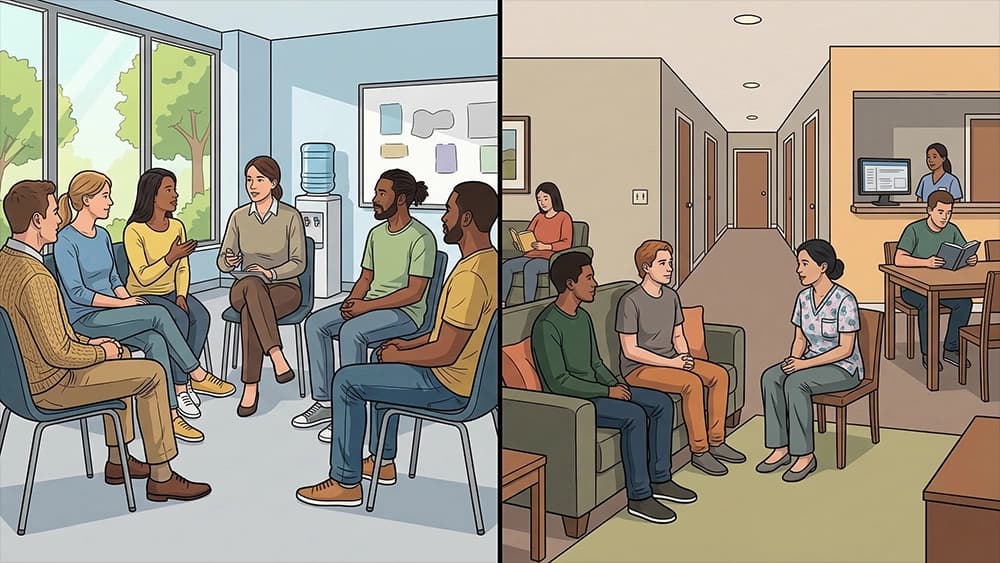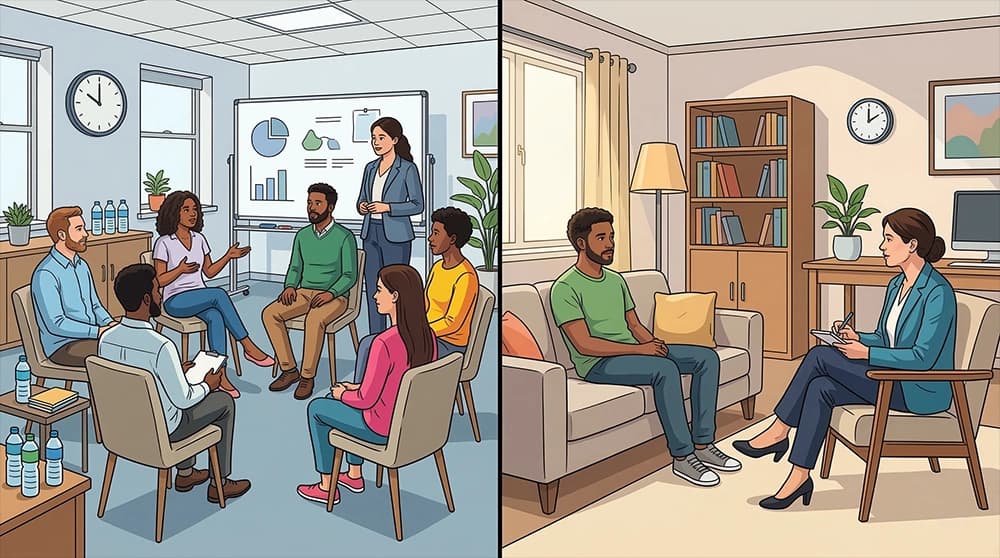

About 50% of people with severe mental disorders have co-occurring substance abuse. Treatment focusing only on depression while ignoring addiction has 80%+ relapse rates. Dual diagnosis programs addressing both conditions simultaneously produce significantly better outcomes.
- 1About 50% of people with severe mental disorders have co-occurring substance abuse
- 2Single-focus depression treatment leads to 80%+ relapse rates
- 3Treating only addiction without addressing depression increases relapse risk 60% within 6 months
- 4Buprenorphine shows 57% relapse rate at 24 weeks vs 65% for injection naltrexone
- 5CBT, EMDR, and Motivational Interviewing are evidence-based dual diagnosis therapies
Finding effective depression and addiction treatment requires understanding how these conditions work together. Most people struggling with both need specialized dual diagnosis care.
We at Amity San Diego see clients every day who tried treating just one condition and failed. The right treatment program addresses both mental health and substance use simultaneously for lasting recovery.
Depression and addiction create a vicious cycle that traps millions of Americans. The National Institute on Drug Abuse reports that people with substance use disorders often have co-occurring mental disorders. This connection exists because both conditions affect the same brain regions that control mood, decision-making, and reward processing.
People with untreated depression often turn to alcohol or drugs to numb emotional pain. What starts as temporary relief becomes a dangerous pattern. Alcohol initially boosts serotonin levels, which makes someone feel better temporarily. Regular drinking actually depletes serotonin and worsens depression symptoms. The same cycle occurs with opioids, cocaine, and other substances. Each use provides short-term relief but deepens the underlying depression.
Specific warning signs indicate you need specialized care for both conditions. You experience persistent sadness alongside increased substance use. You require more drugs or alcohol to feel normal. Your mental health worsens despite temporary breaks from substances.
Research shows that about 50 percent of individuals with severe mental disorders are affected by substance abuse, highlighting the need for integrated treatment approaches.
Treatment that focuses only on depression while ignoring addiction leads to relapse rates above 80%. Similarly, programs that address only addiction without treating underlying depression create a 60% higher chance of return to substance use within six months (according to SAMHSA data). This reality shows why traditional single-focus treatment approaches fail consistently.
Quality treatment programs recognize these interconnected patterns and address both conditions from the start. For those seeking comprehensive care, addiction treatment San Diego offers specialized dual diagnosis programs. The next step involves identifying what specific evidence-based therapies actually work for dual diagnosis treatment.
Look for programs that offer specific therapies with proven track records. Cognitive Behavioral Therapy helps rewire thought patterns that fuel both depression and addiction. EMDR therapy addresses trauma that often underlies both conditions. Motivational Interviewing increases treatment engagement according to research.
Medication-Assisted Treatment shows that the rate of relapse by the end of 24 weeks was 57% on buprenorphine versus 65% on injection naltrexone. Avoid programs that promote unproven methods or refuse medication options due to philosophical objections.
Frequently Asked Questions
Why do depression and addiction occur together?
Both conditions affect the same brain regions controlling mood, decision-making, and reward processing. People with untreated depression often use substances to numb emotional pain, but regular use depletes neurotransmitters and worsens depression—creating a vicious cycle.
Why does single-condition treatment fail?
Treatment focusing only on depression while ignoring addiction leads to 80%+ relapse rates. Programs addressing only addiction without treating underlying depression create 60% higher relapse risk within 6 months. Integrated treatment is essential.
What therapies work for dual diagnosis?
Evidence-based approaches include Cognitive Behavioral Therapy (rewires thought patterns), EMDR (addresses underlying trauma), Motivational Interviewing (increases engagement), and Medication-Assisted Treatment for appropriate cases.
How do I find dual diagnosis treatment?
Look for programs that address both conditions from the start with integrated treatment teams. Avoid programs promoting unproven methods or refusing medication options. Contact Amity San Diego at (888) 666-4405 for specialized dual diagnosis care.
Sources & References
This article is based on peer-reviewed research and authoritative medical sources.
- Co-Occurring Disorders and Other Health Conditions — SAMHSA (2024)
- Depression — NIMH (2024)
Amity San Diego
Amity San Diego Medical Team