
2-3% of Americans struggle with problem gambling, averaging $55,000 in losses before seeking help. Depression affects 76% of pathological gamblers vs 9% general population. Suicidal thoughts occur in 17% of problem gamblers. Financial recovery typically requires 3-5 years.
- 1Problem gambling affects 2-3% of Americans with average losses near $40,000
- 2Depression rates reach 76% among pathological gamblers vs 9% general population
- 3Suicidal thoughts occur in approximately 17% of problem gamblers
- 4Divorce rates exceed 50% among pathological gamblers
- 5Financial recovery typically requires 3-5 years of structured debt management
Problem gambling affects over 2 million Americans, with many struggling to find effective recovery paths. The financial losses average $55,000 per person, while relationships and mental health deteriorate rapidly.
We at Amity San Diego understand that creating a comprehensive gambling addiction treatment plan requires professional guidance and structured support. This guide outlines the essential steps to build your personalized recovery strategy.
Gambling addiction destroys lives through a predictable pattern of escalating behaviors and devastating consequences. The National Council on Problem Gambling reports that individuals with gambling disorders also experience other mental health conditions, particularly depression and anxiety disorders. Early warning signs include lies about gambling activities, repeated money borrowing, and withdrawal symptoms like irritability and restlessness when someone cannot gamble. Men face twice the risk of developing severe gambling problems compared to women, with those who have family histories of gambling showing significantly higher susceptibility rates.
Chronic gambling triggers severe physiological stress responses that mirror those found in substance addiction. Sleep disorders affect problem gamblers, while chronic headaches and gastrointestinal issues become common as stress hormones remain consistently elevated. Depression rates among pathological gamblers reach 76%, compared to 9% in the general population according to research from the National Epidemiologic Survey. Suicidal thoughts occur in approximately 17% of problem gamblers (making immediate professional intervention necessary when these symptoms appear).
Problem gamblers accumulate an average debt of close to $40,000 before they seek treatment, with many who liquidate retirement accounts, take cash advances, and engage in illegal activities to fund their addiction. Divorce rates among pathological gamblers exceed 50%, while domestic violence incidents increase by 300% in households affected by gambling disorders. Children of problem gamblers show higher rates of depression, anxiety, and academic problems, with 25% who develop gambling issues themselves. Financial recovery typically requires 3-5 years of structured debt management even after someone achieves gambling abstinence.
Gambling addiction follows three distinct phases that professionals recognize in treatment settings. The winning phase creates false confidence through early wins (often called "beginner's luck"), which reinforces the belief that gambling provides easy money. The losing phase begins when losses mount, leading to increased bet sizes and more frequent gambling sessions to recover losses. The desperation phase marks complete loss of control, where individuals gamble with money they cannot afford to lose and engage in increasingly risky behaviors to continue gambling.
These warning signs and progression patterns form the foundation for understanding why professional assessment becomes necessary for effective addiction treatment San Diego planning.
Professional gambling addiction treatment demands comprehensive medical evaluation that addresses both gambling behaviors and co-occurring mental health conditions. Research shows that individuals with gambling disorders experience high rates of comorbidity with substance and alcohol use disorders, mood and anxiety disorders, which makes dual diagnosis assessment mandatory rather than optional. A thorough medical evaluation includes screening for depression, anxiety disorders, substance abuse, and suicidal ideation, as these conditions directly impact treatment effectiveness and recovery outcomes.
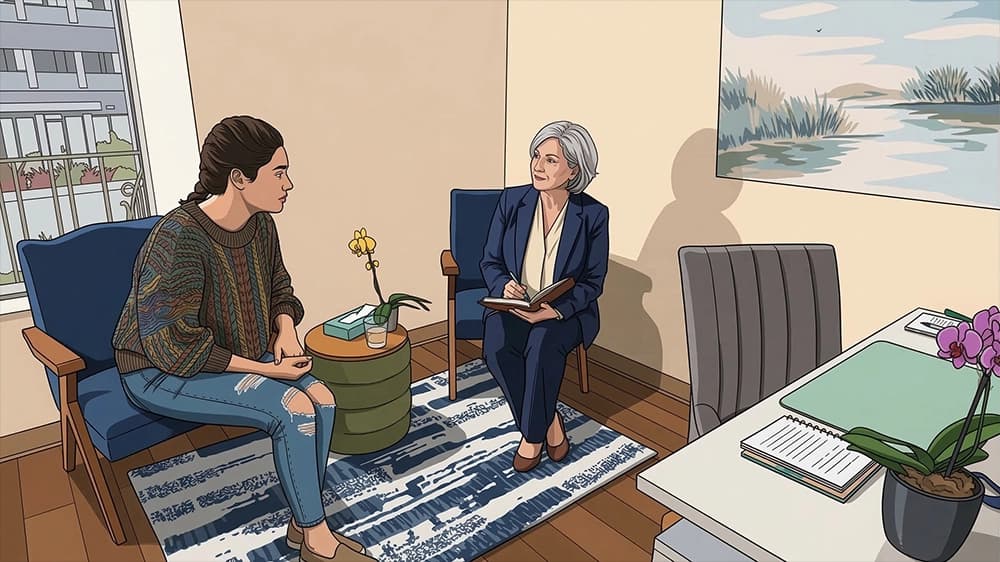
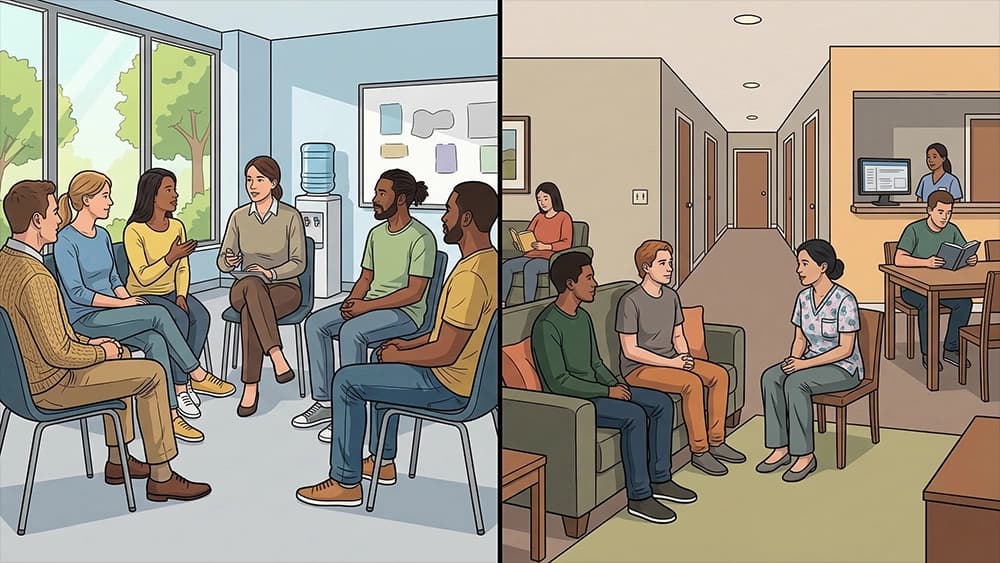
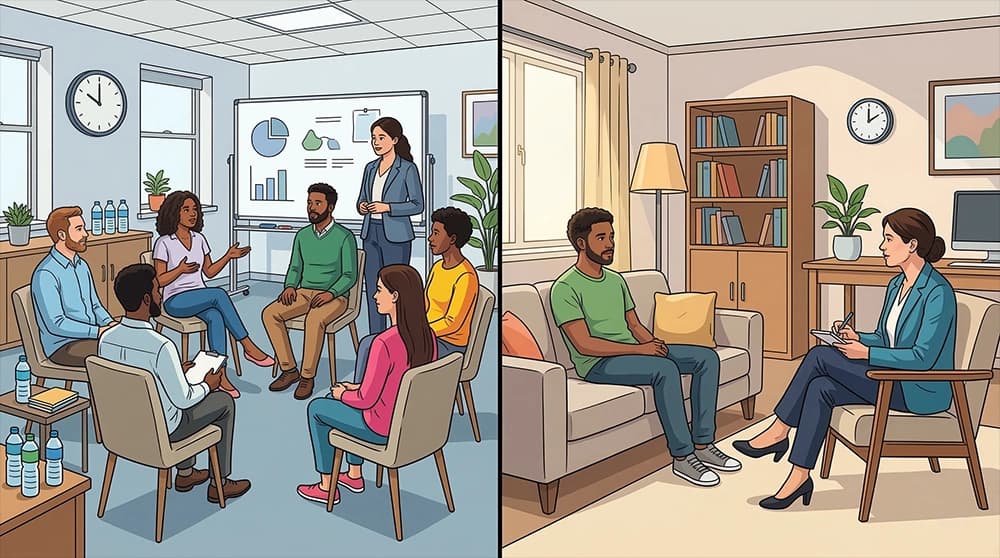
Group therapy sessions cost significantly less than individual treatment while they provide peer accountability and shared experiences. Individual therapy allows deeper exploration of personal triggers and trauma histories (which often drive gambling behaviors). Most treatment centers integrate both approaches based on individual assessment results and client preferences, as each method offers distinct advantages for different personality types and recovery stages.
Gamblers Anonymous operates chapters nationwide with the proven 12-step model, though research shows limited long-term abstinence rates among members. This highlights why professional treatment combined with peer support produces better outcomes than either approach alone. Gam-Anon serves family members who need their own recovery support, as gambling addiction affects entire family systems through financial stress and broken trust.
Frequently Asked Questions
What are warning signs of gambling addiction?
Early signs include lying about gambling, repeated money borrowing, irritability when unable to gamble, and withdrawal symptoms. Gambling follows three phases: winning (false confidence), losing (chasing losses), and desperation (complete loss of control).
What mental health conditions co-occur with gambling?
Individuals with gambling disorders experience high rates of depression (76%), anxiety disorders, and substance use disorders. Dual diagnosis assessment is mandatory since co-occurring conditions directly impact treatment effectiveness.
What treatment options exist for gambling addiction?
Professional treatment includes comprehensive medical evaluation, individual therapy (explores personal triggers), group therapy (provides peer accountability), and programs like Gamblers Anonymous. Professional treatment combined with peer support produces best outcomes.
How do I get help for gambling addiction?
Seek comprehensive medical evaluation addressing gambling behaviors and co-occurring conditions. Contact Amity San Diego at (888) 666-4405 for professional gambling addiction assessment and personalized treatment planning.
Sources & References
This article is based on peer-reviewed research and authoritative medical sources.
- Problem Gambling — SAMHSA (2024)
- Gambling Disorder — APA (2024)
Amity San Diego
Amity San Diego Medical Team