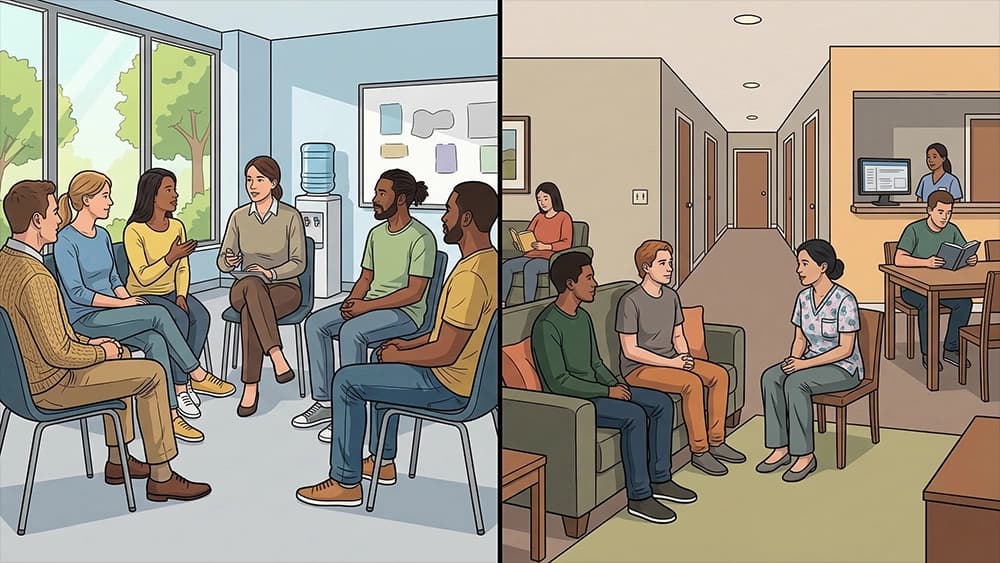

85% of people in recovery struggle with negative self-perception, making self-esteem work crucial for preventing relapse. Structured worksheets and daily exercises help rebuild confidence by addressing the shame cycle that addiction creates.
- 185% of people in recovery struggle with negative self-perception
- 2Low self-esteem creates a dangerous relapse cycle where people believe they don't deserve recovery
- 3Addiction forces individuals to act against their values, eroding core identity
- 4Healthy self-esteem shows as genuine self-acceptance and realistic goal-setting
- 5Over 50 million American adults consider themselves in recovery from substance use and mental health problems
Self-esteem damage often runs deeper than the addiction itself. Research shows that 85% of people in recovery struggle with negative self-perception, making relapse more likely.
We at Amity San Diego have developed practical self-esteem in addiction recovery worksheets that target these core issues. These tools help rebuild confidence through structured daily exercises and proven therapeutic techniques.
Addiction systematically destroys self-worth through a predictable pattern of shame, isolation, and broken promises. Research shows that people in active addiction experience significant decreases in self-efficacy scores compared to the general population.
This damage occurs because addiction forces individuals to act against their values repeatedly, which creates cognitive dissonance that erodes core identity. Each relapse reinforces the belief that change remains impossible, while substance use becomes the primary method for coping with emotional pain.
Low self-esteem creates a dangerous relapse cycle that addiction treatment programs must address directly. The Substance Abuse and Mental Health Services Administration reports that 50.2 million American adults consider themselves to be in recovery from substance use and mental health problems.
People with damaged self-worth often believe they don't deserve recovery, which makes them vulnerable to self-sabotage during treatment. This connection explains why traditional addiction programs that ignore self-esteem work produce disappointing long-term success rates (particularly when compared to comprehensive approaches).
Damaged self-worth shows up in both physical and emotional ways during active addiction. Individuals often neglect basic self-care, skip meals, avoid medical appointments, and isolate from supportive relationships. The brain's reward system becomes hijacked, making it nearly impossible to feel good about achievements or progress without substances.
Sleep patterns deteriorate, stress hormones remain elevated, and the body's natural ability to regulate mood becomes compromised. These physical changes reinforce negative self-perception and create a cycle where individuals feel worse about themselves with each passing day.
Healthy self-esteem in recovery appears as genuine self-acceptance, realistic goal-setting, and the ability to handle criticism without defensiveness. People with strong recovery-based self-worth take responsibility for mistakes without catastrophizing and maintain boundaries in relationships.
Unhealthy patterns include perfectionism, people-pleasing behaviors, and using others' opinions as the primary source of self-value. The National Institute on Drug Abuse emphasizes that research-based methods help people recover from addiction and lead productive lives.
Frequently Asked Questions
How does addiction affect self-esteem?
Addiction destroys self-worth through a cycle of shame, isolation, and broken promises. Acting against personal values repeatedly creates cognitive dissonance that erodes identity. Each relapse reinforces beliefs that change is impossible.
Why is self-esteem important in addiction recovery?
People with damaged self-worth often believe they don't deserve recovery, making them vulnerable to self-sabotage. Programs that ignore self-esteem work produce disappointing long-term success rates compared to comprehensive approaches.
What does healthy self-esteem look like in recovery?
Healthy recovery-based self-worth includes genuine self-acceptance, realistic goal-setting, handling criticism without defensiveness, and maintaining boundaries. It means taking responsibility for mistakes without catastrophizing.
How can worksheets help build self-esteem in recovery?
Structured worksheets target core issues through daily exercises and proven therapeutic techniques. Contact Amity San Diego at (619) 503-4422 to learn about our comprehensive approach to self-esteem work in recovery.
Sources & References
This article is based on peer-reviewed research and authoritative medical sources.
- Recovery and Recovery Support — SAMHSA (2024)
- Principles of Drug Addiction Treatment — NIDA (2024)
Amity San Diego
Amity San Diego Medical Team