
Borderline Personality Disorder requires specialized treatment combining DBT and CBT therapies. Up to 78% of adults with BPD develop substance-related disorders, making integrated dual diagnosis treatment essential for lasting recovery.
- 1Up to 78% of adults with BPD develop a substance-related disorder in their lifetime
- 2Dialectical Behavior Therapy (DBT) is the gold standard for BPD treatment
- 3DBT teaches mindfulness, distress tolerance, emotion regulation, and interpersonal effectiveness
- 4Many individuals with BPD use substances to cope with intense emotions or emptiness
- 5CBT helps manage the intense emotions and impulsivity associated with BPD
At Amity San Diego, we understand the challenges of living with Borderline Personality Disorder (BPD). This complex mental health condition affects millions of people worldwide, impacting their relationships, emotions, and daily functioning.
Treatment programs for Borderline Personality Disorder offer hope and support for those struggling with BPD. In this post, we'll explore effective approaches to managing BPD and guide you through the process of finding the right treatment program.
BPD manifests as a pattern of instability in interpersonal relationships, self-image, and emotions. People with BPD typically experience:
Several misconceptions surround BPD, which can lead to stigma and delayed treatment. Let's address some common myths:
BPD presents significant challenges in daily life. Relationships often suffer due to intense emotional reactions and fear of abandonment. Work and education can face disruption from impulsivity and mood swings. The risk of substance abuse increases significantly in individuals with BPD, with studies showing up to 78% of adults with BPD develop a substance-related disorder in their lifetime.
The link between BPD and addiction requires special attention. Many individuals with BPD turn to substances as a way to cope with intense emotions or fill a sense of emptiness. This self-medication often leads to a cycle of addiction that exacerbates BPD symptoms.
As we move forward, let's explore the various treatment programs available for individuals with BPD, and how to choose the right approach for your unique needs.
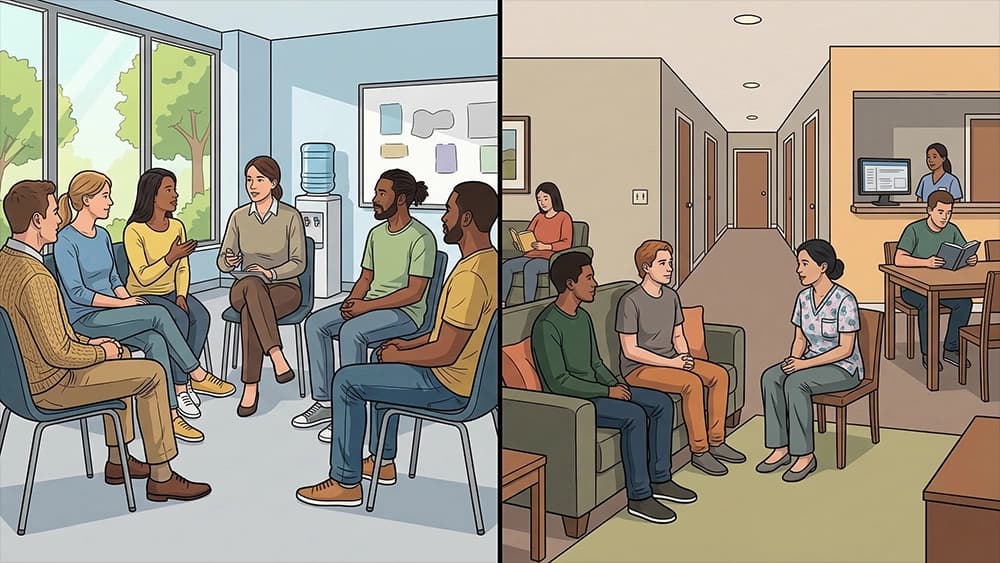
At Amity San Diego, we've witnessed the transformative power of appropriate treatment for individuals with Borderline Personality Disorder (BPD). Let's explore some of the most effective therapies for managing BPD symptoms and co-occurring substance use disorders.
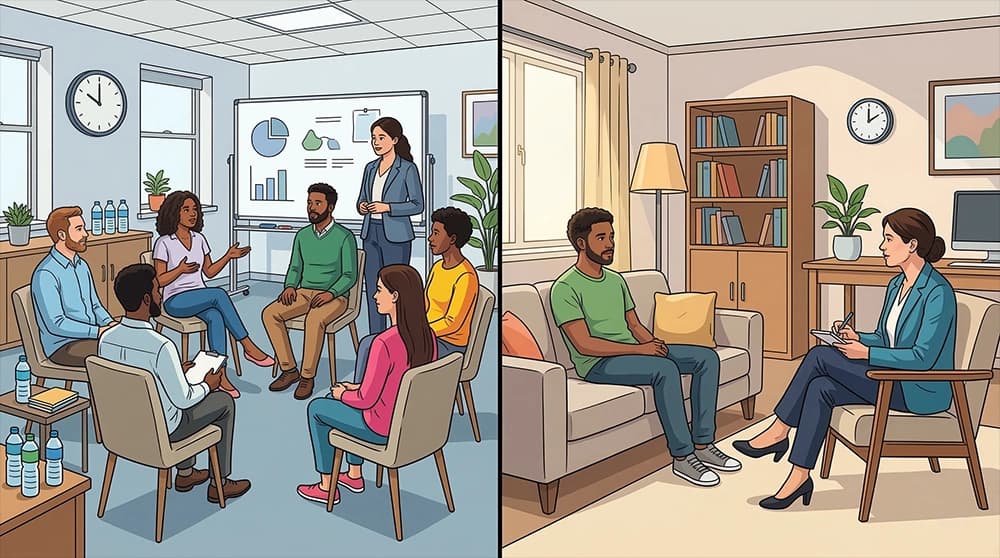
DBT stands as the gold standard for BPD treatment. This approach helps patients develop skills in four key areas: mindfulness, distress tolerance, emotion regulation, and interpersonal effectiveness. Studies have shown that both short-term DBT and standard DBT improved suicidality in BPD patients with small or moderate effect sizes, lasting up to 24 months.
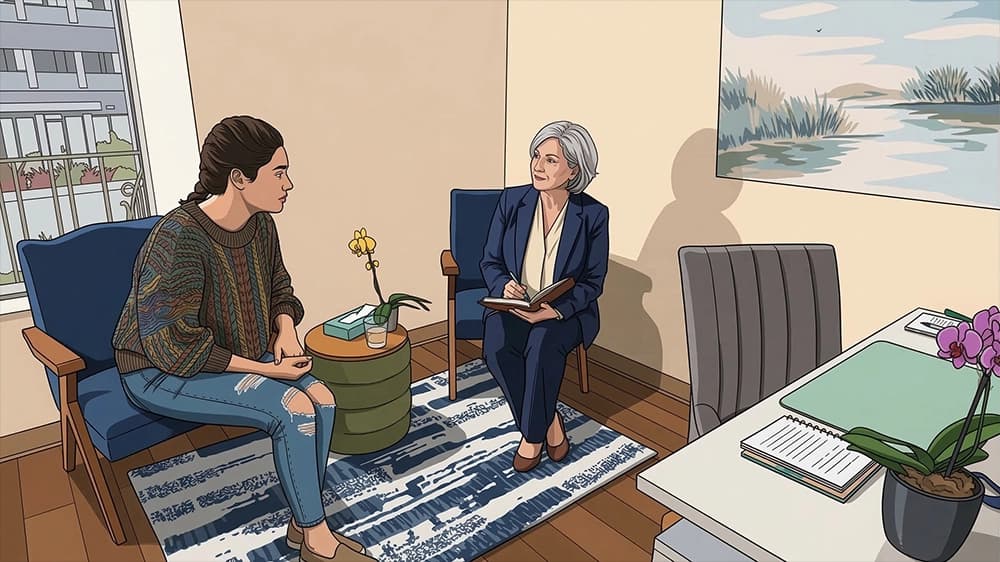
CBT focuses on identifying and changing negative thought patterns and behaviors. This therapy proves particularly effective for managing the intense emotions and impulsivity associated with BPD. Research shows that CBT can reduce self-harm behaviors in individuals with BPD.
Frequently Asked Questions
What is the best treatment for Borderline Personality Disorder?
Dialectical Behavior Therapy (DBT) is the gold standard for BPD treatment. It develops skills in mindfulness, distress tolerance, emotion regulation, and interpersonal effectiveness. Studies show DBT improves suicidality outcomes lasting up to 24 months.
Why is BPD often linked to addiction?
Many individuals with BPD turn to substances to cope with intense emotions or fill a sense of emptiness. Up to 78% of adults with BPD develop substance-related disorders, creating a cycle where addiction worsens BPD symptoms.
Can BPD be treated successfully?
Yes, BPD responds well to specialized treatment. Despite misconceptions, BPD is treatable. With proper therapy combining DBT and CBT approaches, many people experience significant improvement in relationships, emotional stability, and daily functioning.
How do I find BPD treatment in San Diego?
Contact Amity San Diego at (619) 503-4422 for a comprehensive assessment. We offer integrated treatment addressing both BPD and co-occurring substance use disorders through evidence-based therapies.
Sources & References
This article is based on peer-reviewed research and authoritative medical sources.
- Borderline Personality Disorder — NIMH (2024)
- Substance Use and Co-Occurring Mental Disorders — NIMH (2024)
Amity San Diego
Amity San Diego Medical Team